
Risk Assessment - Resiliency
Resiliency starts with understanding RISK.
Resiliency is a structure’s ability to withstand a hazard, protect the people inside, and keep operating when it matters most. Resiliency doesn’t happen by accident. It is planned, designed, and maintained, and it begins with a risk assessment.
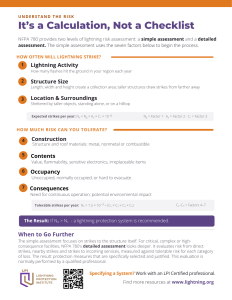
A lightning risk assessment looks at a structure’s specific exposure: its location, size, construction, contents, occupancy, and the consequences of a strike. That evaluation shows where protection is needed and how it should be designed, so risk is mitigated before it becomes loss. The result is resiliency in its fullest sense:
- Structural integrity: the building and its systems stay sound.
- Operational resiliency: critical functions continue without costly downtime.
- Mitigation: risk is reduced early, when it costs least to address.
- Life safety: above all, the people inside are protected.
Lightning protection doesn’t begin with assumptions.
Protection begins with Science and Standards.
LPI’s first Risk Assessment Week brings the design, construction, and facility communities together around one idea: risk assessment belongs at the beginning of every project and throughout the life of every structure. Each day focuses on a different part of that conversation:
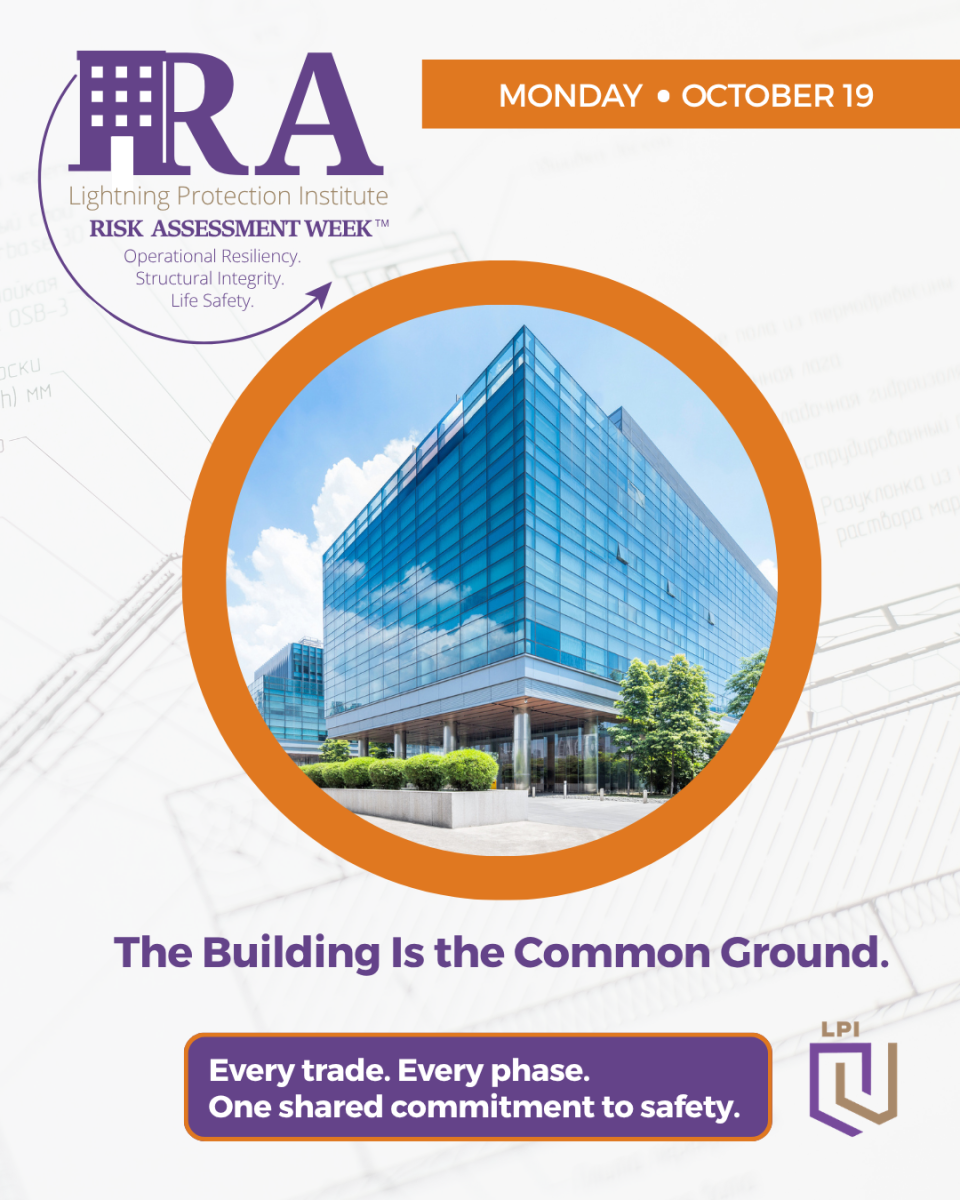
- Monday: The building is the common ground. Every trade has a stake in how a structure is protected.
- Tuesday: Essential facility. Essential question. Hospitals, emergency operations centers, water treatment plants, and other facilities can’t afford downtime.
- Wednesday: It starts on the drawing board. Architects and engineers can address lightning risk at design, when it’s most effective.
- Thursday: Mitigating risk early. The insurance industry has long relied on risk assessment, and lightning risk belongs in that evaluation.
- Friday: Bringing it together. A recap of the week and resources to keep the conversation going.
Follow LPI on LinkedIn and Facebook all week.
Resources
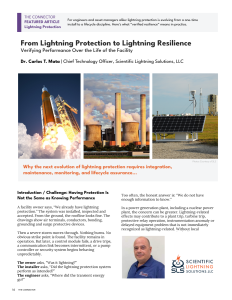
See why having protection isn't the same as knowing it performs
From Lightning Protection to Lightning Resilience: Verifying Performance Over the Life of the Facility - by Dr. Carlos T. Mata, CTO, Scientific Lightning Solutions, LLC
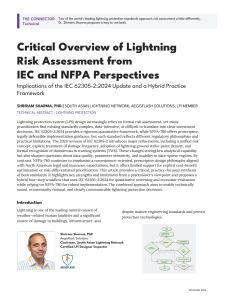
See how NFPA 780 and IEC 62305 compare
Critical Overview of Lightning Risk Assessment from IEC and NFPA Perspective - by Dr. Shriram Sharma
Fnid a local Certified/Accredited LPI Professional
Find a Local Certified/Accredited LPI Professional
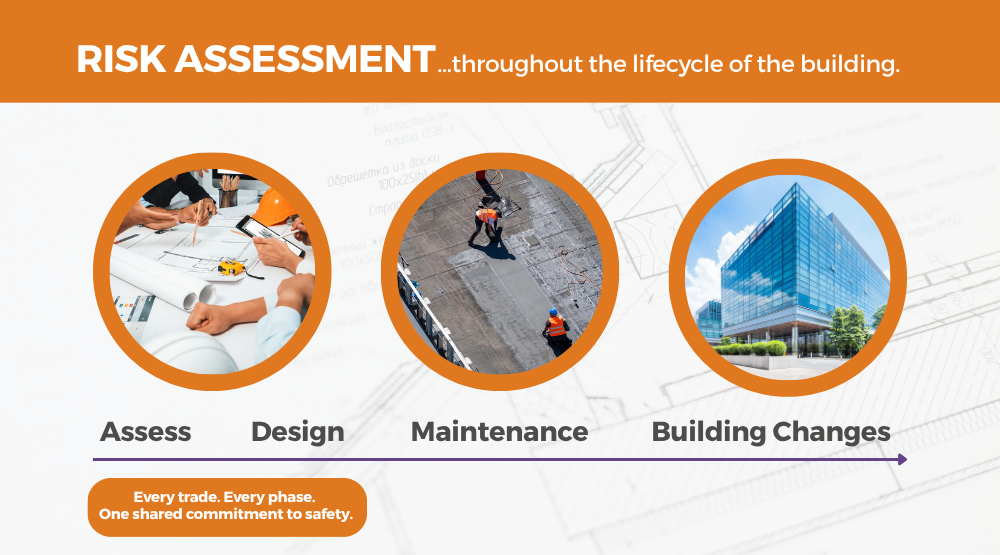
Collaboration: Every Trade, Every Phase
No single trade sees the whole picture. A complete risk assessment draws on the perspective, insight, and data of everyone who shapes a structure:
Architects · Engineers · Building enclosure consultants · Roofing contractors · General contractors · Lightning protection specialists · Facility managers · Building owners · Insurance professionals · Code officials
When these disciplines share what they know, the assessment is stronger at the start of a project and stays accurate as the structure evolves. That collaboration continues through every phase:
- Assess: identify the risk before decisions are locked in.
- Design: build protection into the plans from the start.
- Maintenance: verify that systems keep performing as intended.
- Building changes: reassess when additions, rooftop equipment, or new occupancy change the risk profile.
Every trade. Every phase. One shared commitment to safety.
Resilient Home: Massachusetts
See the progression of a resilient home being built on the East Coast – and includes the design and implementation of a lightning protection system. This project was initiated through +Labs architects and our members Commercial Lightning Protection/ HomeSafe Lightning Protection and Harger, Inc, donated the design, materials, and installation of the system.

Lightning Protection Industry Partners
The lightning protection industry encompasses a diverse amount of resources. The LPI and our industry partners share a goal to ensure safety for individuals, homes, businesses and communities from the impact of a lightning strike.
The common thread among these organizations is the commitment to educate, support and bring awareness
to lightning and lightning safety in various ways: lightning research, personal safety, and the proper design/installation/inspection
of lightning protection systems. Each of these organizations has a focus yet they commit to providing support
to everyone in our industry: Manufacturers, installers, customers, and communities.
Below, you will see their focus and the ways in which they partner/support the Lightning Protection Institute and our industry.

United Lightning Protection Association (ULPA)
Focus: Educate, train and support installers
Support: ULPA Apprenticeship Program & Co-Host of the Annual National Conference

Lightning Protection Institute Inspection Program (LPI-IP)
Focus: Providing 3rd party inspection for lightning protection systems
Support: Upholding the most comprehensive inspection program for the lightning protection industry

Lightning Safety Alliance Corporation (LSA)
Focus: Dedicated to providing education and legislative support
Support: Providing educational resources and training for our LPI Members to utilize on a regional and national level

Lightning Protection Coalition
Focus: Small member strike force that is dedicated to maintaining high industry standards and coordinates to take action in the areas needed to support the industry
Support: Recent IBC Code Changes

National Lightning Safety Council (NLSC)
Focus: Lightning research and Personal lightning safety in the US as well as internationally with ACLEnet
Support: LSAW, SBW, International Lightning Safety Day

Lightning Protection University (LPU)
Focus: Education and training for the design/build community
Support: Online courses to study for Industry Certifications
Industry Partners
Provide insight and support for our industry.
Industries: Architects, Building Enclosure Consultants, Insurance, and Research


